It’s possible for startups to continue for years without even thinking about ISO 27001. A potential enterprise client sends an email to “Please provide ISO 27001 as part of our vendor evaluation.”
Suddenly, certification isn’t something to be considered the next time. It’s connected to a contract that the company is looking to end.
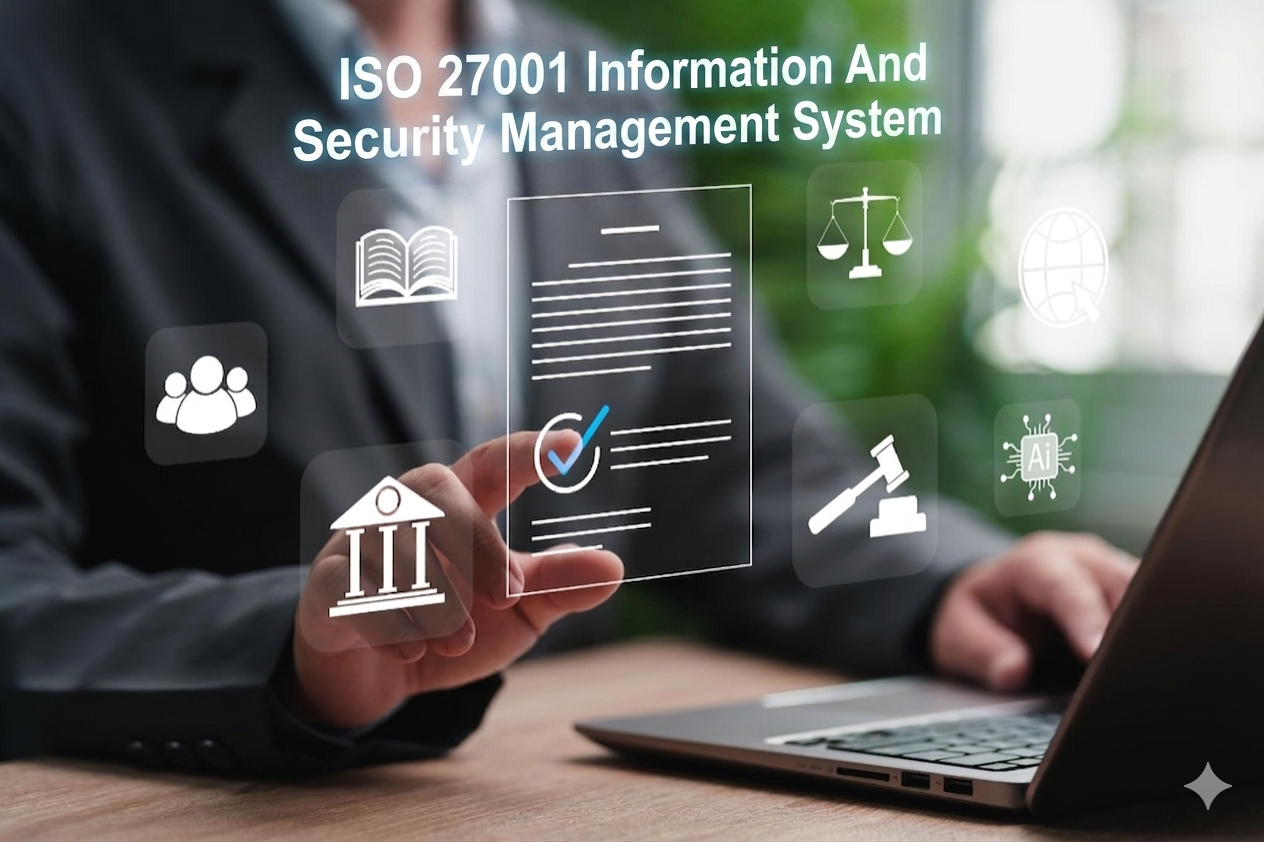
For many growing companies, that’s the practical starting point for ISO 27001 for small business. The trick is to determine what’s required without turning a manageable compliance program into an enterprise-sized security project.
Week One should be about Scope, not Shopping
The first instinct may be to compare compliance platforms and consultants. It is best to establish the requirements that ISMS (Information Security Management System) will need to provide.
The scope of the project is crucial because adding inefficient systems, locations or processes to the documentation can create additional evidence and requirements for documentation.
For example, a small SaaS company may have an environment that is heavily concentrated on cloud infrastructure employees’ devices, as well as the information of customers. The environment could also be dominated by a small number of major suppliers. Understanding the specific environment can help you decide what your certification project should address.
Take a list of the security you have
Many companies who are looking into ISO 27001 to start ups are assuming that they must establish a new security program.
This could not be true.
A modern-day startup may require multi-factor authentication, limit employees’ access, keep the system logs, handle backups, document onboarding and offboarding procedures, and make use of established cloud providers. The current practices must be evaluated against ISO 27001 requirements, but beginning with what is working can prevent unnecessary duplication.
The rest of the work includes preparing policies, performing risk assessments as well as determining Annex A controls applicable, complete Statements of Applicability (SOA), and collecting evidence.
Be aware of which invoices are paid for What
It’s easier to understand ISO 27001 costs when they aren’t summed up into a single figure.
The initial costs for a small business may be between $10,000 and $30,000, depending on the time devoted by staff, the software used to monitor compliance, and an independent certification audit. Consulting costs are an additional cost, but it is not an obligation.
It is essential to distinguish between ISO 27001 certification costs charged by a certified certification agency as well as software-related fees. Although a compliance platform can help in the process of organizing work, it cannot issue certification. The process of independent auditing is the process that validates the certification.
Then comes the proof
A policy that says employees’ access rights to company resources is terminated upon their departure isn’t enough. Auditors need proof that the process is actually effective.
ISO 27001 is concerned with the distinction between stating something and then demonstrating it.
CertAssist helps to manage this work without needing to directly connect to an actual system. It displays all the 93 ISO 27001-2022 Annex A control templates on one screen. An editable policy as well as an evidence template are also provided.
Templates can be used by an enclave of people to cut out the lengthy process of creating every policy by hand.
The Final Line isn’t Certification Day
Depending on the company’s existing security procedures and capabilities, it may take a company that is new between 3 and 6 months to prepare for certification. The body that certifies will then complete Stage 1 and Stage 2 auditories.
Achieving these audits doesn’t mean you have the right to ignore the ISMS. After certification, controls and evidence must be maintained. Audits of surveillance will follow.
This is an important aspect to take into consideration when designing the program. Smaller companies do not just have to have an ISMS they can afford. It must have an ISMS that the team can use after the project is completed.
It’s rare to find the ISO 27001 programme for smaller organizations the smartest. It’s the one that satisfies the requirements of the standard, incorporates the true security standards, is able to withstand independent scrutiny and is manageable when everyone returns to their jobs.