The Braids Look Beautiful in the Photo. But Will They Work for Your Everyday Life?
A hairstyle can look incredible on Instagram and still be completely wrong for your usual routine. A person balancing long workdays and frequent workouts may need hair that stays comfortably away from her face. She might love the overall look of long braids reaching the waist, but the extra weight and ongoing care could become frustrating. By contrast, someone preparing for a celebration might welcome a dramatic design and the extra preparation it involves. A style chosen for a special occasion can reasonably involve more preparation than one intended to remain convenient through long shifts and regular workouts.
These customers have different needs, so a single appointment plan would not suit them both. At a West Houston braiding salon on Westheimer, the most useful conversation often begins with how you actually live, not simply which hairstyle you want to copy.
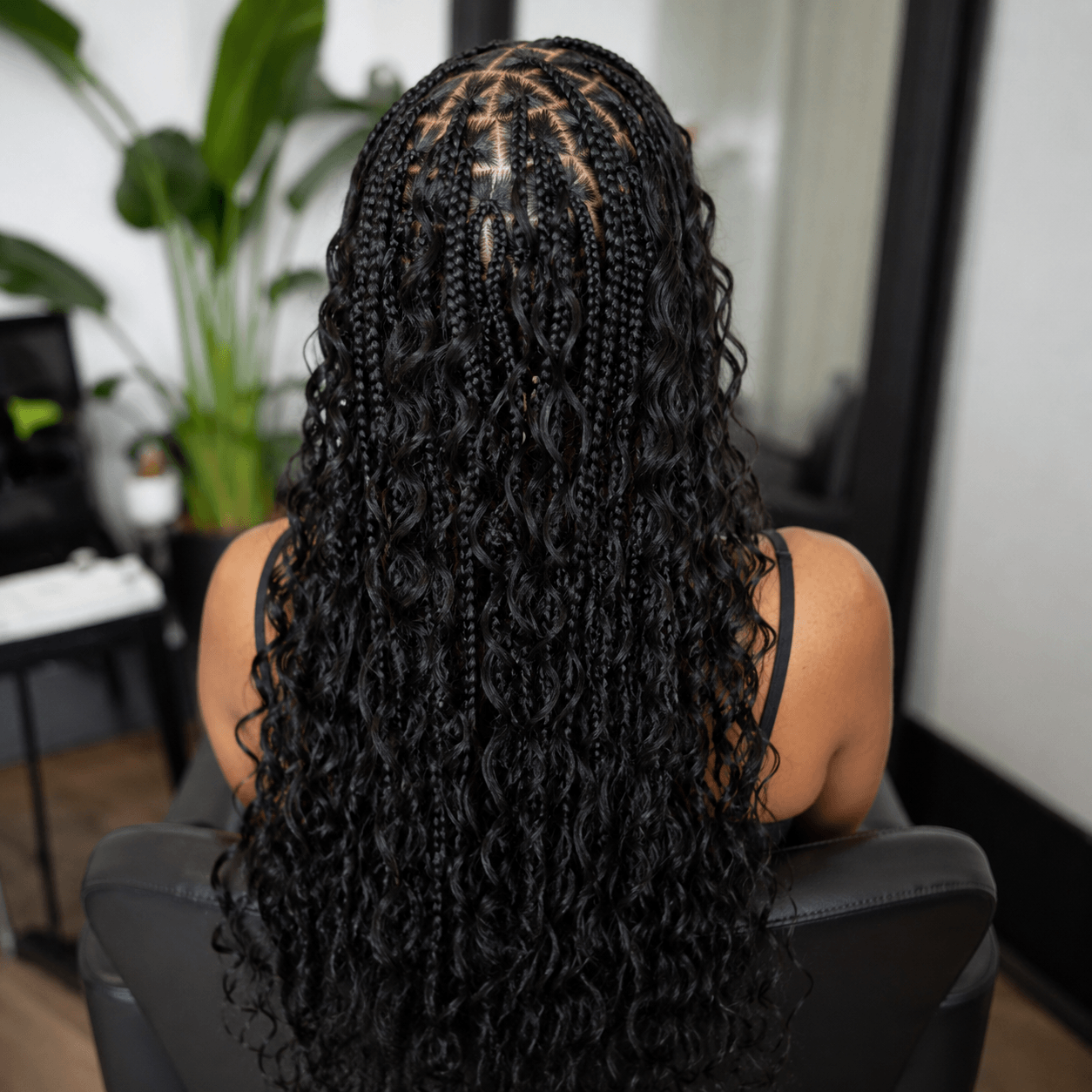
Think About Your Week Before Choosing a Braid Size
Choosing braids can reduce the time spent styling hair each morning, but not every braid size requires the same commitment. Fine knotless braids involve many individual sections and create a finely detailed appearance. They offer flexibility for a variety of arrangements, although putting them in and taking them out generally take longer.
Braid size changes both the visual effect and the number of sections a stylist creates. Large-sized knotless braids use fewer sections and create a more prominent, bold style that may suit someone seeking a simpler overall finish.
Before choosing a length or braid size, clients at WOW African Hair Braiding Westheimer can ask how the options differ. A photograph is a helpful starting point, but it cannot reveal how much extension hair was used or how the finished style feels.
Comfort Matters as Much as the Finished Style
A common misconception is that tight braids are necessary for a neat, long-lasting appearance. Excessive tension can irritate the scalp and contribute to traction alopecia, a form of hair loss associated with repeated pulling. A tidy appearance should not come at the expense of scalp comfort, particularly when the hairstyle will be worn for an extended period.
Speak up as soon as you experience scalp pain while your braids are being installed. Pain should not be treated as a normal requirement of braiding. Hairline sensitivity, natural hair condition, braid length, and extension weight all deserve consideration. Customers who regularly wear their braids in buns or ponytails should also discuss how those styling habits may affect tension along the hairline.
What to Know Before Choosing Loose-Curl Braids
Loose curly strands woven through braids can create a softer, more textured appearance than traditional box or knotless braiding. The added curls change the visual texture of the style, so their placement and upkeep deserve as much thought as the braided sections themselves.
Two styles described as Goddess braids may look different because the loose curly strands, type of added hairs, and placement are not identical. Customers interested in West Houston Goddess Braids should confirm the exact style and required hair before their appointment.
Certain Goddess and Boho designs require human hair with a wavy texture that the salon does not carry. Bringing the correct hair, when required, helps avoid last-minute adjustments. It is also worth asking how the loose curls should be maintained, since they may need different care from the braided sections.
Matching a Braided Style to Each Client
There is no single braid style that meets every family member’s needs. Hair texture, age, and personal preferences all matter. Some people prioritize a manageable protective hairdo; others enjoy decorative designs, twists, or a special-occasion appearance.
Women, men, and children in the Westchase and Briar Forest neighborhoods of Houston can visit WOW African Hair Braiding. Its Westheimer braiding services include traditional and contemporary styles, with knotless and box braids among the available options.
Talk Through the Practical Details Before Booking
A little preparation can make a braiding consultation more useful. Save a few reference photographs, including examples of the braid size and finished length you prefer.
Tell your stylist if previous braids caused pain or if your scalp or hairline is sensitive. The right braiding appointment should produce more than an attractive hairstyle. Choose a look that works with your daily activities, takes your your own hair into account, and does not sacrifice comfort for the photograph. The aim is to leave with braids you enjoy wearing, not merely a design that looks impressive immediately after the appointment.