Even a developer with six years of experience solving complex problems can find it challenging to justify a design decision aloud when interviewed. Campaign management experience does not guarantee that a candidate will remember the right performance numbers when questioned.
Neither situation should automatically be interpreted as a lack of ability. During an interview, candidates must understand unfamiliar prompts while recalling information and presenting their thoughts coherently under pressure.
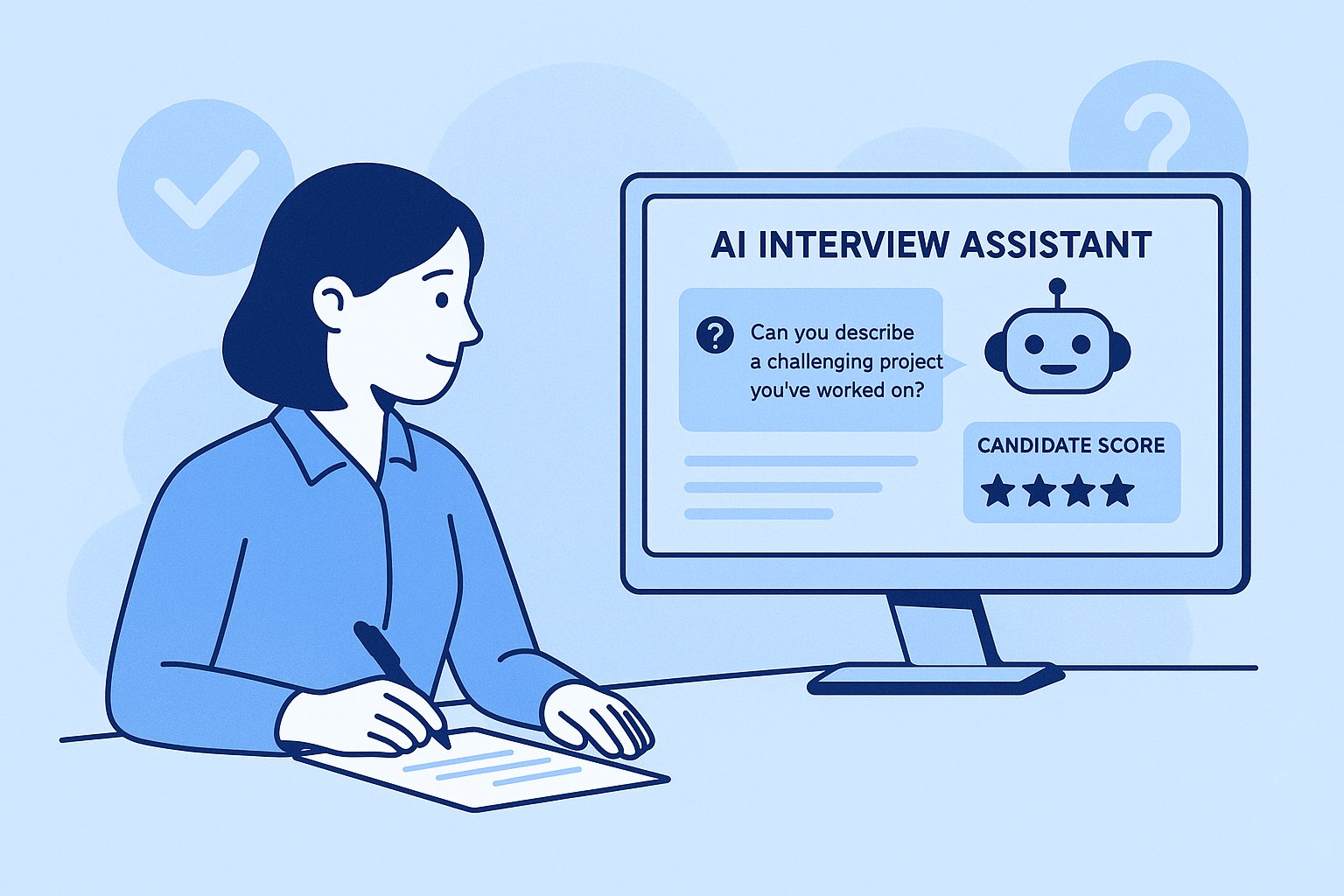
Artificial intelligence is opening up new approaches to practice these skills. Interview Pilot brings together practice conversations, personalized preparation, and live suggestions to support more confident interview performance.
Create a Collection of Career Experiences
Many candidates prepare in the conventional way by looking up familiar interview questions and learning sample answers by heart. The drawback of memorized generic answers is that they rarely describe what the candidate actually did.
An interviewer might ask, “Tell me about a time you managed a difficult project.” An effective response needs more than a polished opening. A useful account connects the project’s context with the candidate’s contribution, their decisions, and the final outcome.
Interview Pilot uses information from a candidate’s CV, target position, and prospective employer to generate more relevant suggestions.
An AI interview assistant can support preparation by helping applicants decide which experiences to discuss, put the details in order, and identify weaknesses in their explanations. Candidates can then practice explaining those examples faithfully in their own words.
Technical Knowledge Needs Clear Communication
Technical interviewers look beyond a candidate’s familiarity with software development languages, platforms, and engineering concepts. The reasoning behind a choice matters because interviewers often want to see how applicants solve problems and weigh alternatives.
When discussing database optimization, a developer may be asked to describe why indexing reduced query times, the associated trade-offs, and the method used to measure the improvement.
Interview Pilot provides suggestions for both technical and behavioral questions. Its interview copilot functionality processes spoken questions and generates suggestions relevant to the conversation.
However, understanding the reasoning behind a suggested answer is still crucial. Independent explanation of technical decisions becomes particularly important when the interviewer poses follow-up questions or changes the scenario.
Practice Answering in a Conversational Setting
Silent review of interview questions cannot fully replicate the process of answering verbally. Verbal rehearsal helps candidates notice communication problems that written practice might miss, such as taking too long to introduce an answer, explaining ideas unclearly, or relying on unnecessary technical terminology.
With its interview question bank and AI mock interviews, Interview Pilot gives candidates a way to prepare ahead of time for a recruiter or hiring manager conversation.
A useful preparation method involves answering the same question several times with different degrees of depth. A candidate might develop a thirty-second explanation for an initial screening and a more comprehensive response for a technical discussion. Adjusting the depth of an answer can make the conversation sound less memorized and more responsive to what the interviewer wants to know.
Using Live AI Support With Care
Tools offering real-time interview answers introduce additional considerations around professional integrity and employer expectations. AI assistance may be permitted in certain organizations’ assessments, but other employers require an unaided assessment of skills.
Anyone searching for a copilot for interview preparation or live assistance should clarify the employer’s rules before using such technology during an actual interview. When an application processes interview dialogue, applicants must also pay attention to the relevant rules on confidentiality and consent. Suggestions from AI should help applicants express authentic knowledge rather than replace the skills they need or make up professional experiences.
Interview Preparation for Busy Candidates
Preparing for an interview often means finding time amid professional duties, commuting, and responsibilities outside work. Support for multiple devices may make it easier to keep up with practice.
Users can access Interview Pilot on Mac or Windows computers, on iPhone and Android, and via the web. The platform reports a global user base of over one million and describes a free option with restricted weekly AI usage in addition to paid subscriptions offering unlimited use.
The purpose of effective preparation is not simply to learn perfect wording. What matters is developing confidence in discussing your expertise, demonstrating your thought process, and articulating your potential value to an employer.
Interview Pilot can help candidates develop these skills when used responsibly, with their genuine professional background, judgment, and ability to communicate remaining central to the interview.